Look no further! We have a highly diverse selection of awesome comics.

Look no further! We have a highly diverse selection of awesome comics.
 Hello and welcome to EHT Comics! Thank’s for taking the time to stop by our site. All of the items posted on our site are scans or photos of the actual items we have for sale. Just click on an item to view a larger and more detailed image. E-mail us anytime at EHTcomics@gmail.com in regards to items that you are interested in and a Paypal Invoice will be provided via email. Shipping information is provided under “About Us” on the right. We are always adding new comics, so stop back often and if you don’t see it, feel free to ask.
Thanks!
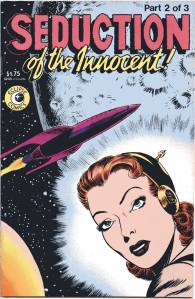
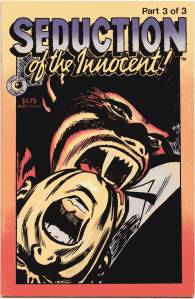
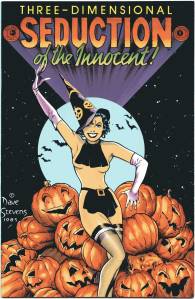
In homage to the great pre-Code horror comics, Eclipse Comics presented its own Seduction of the Innocent, reprinting classics from now-forgotten National Comics and Toby Publishing.
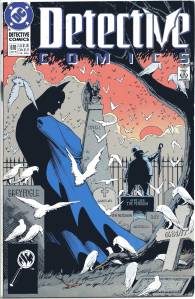
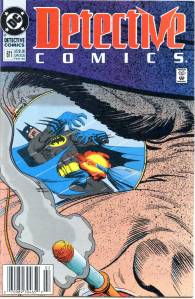
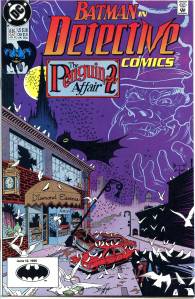
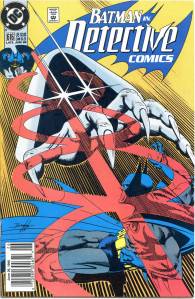
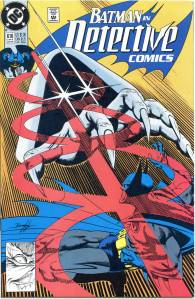
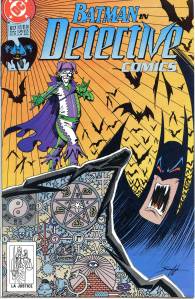
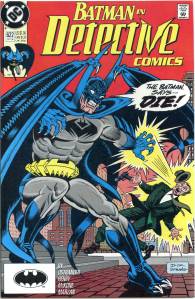
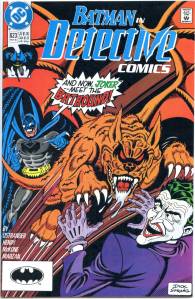
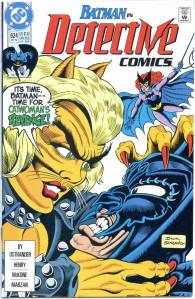
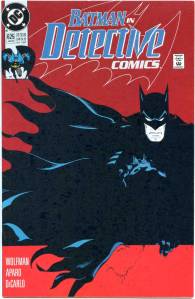
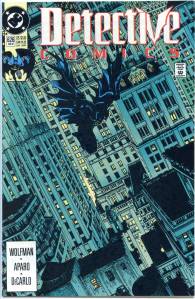
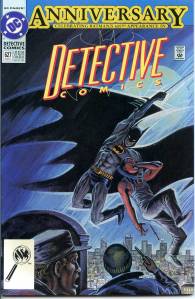
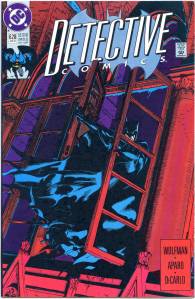
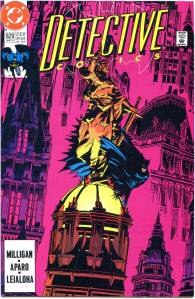
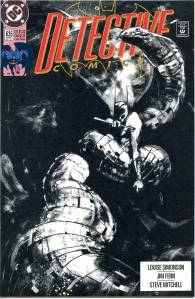
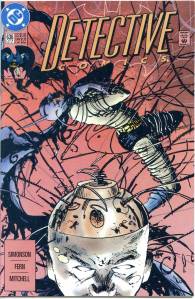
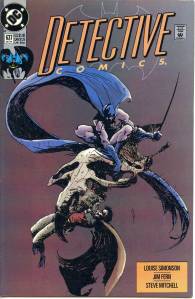
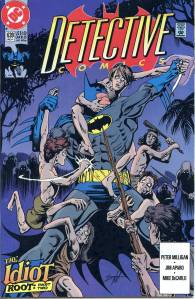
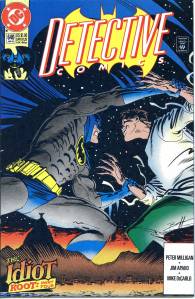
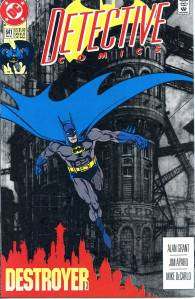
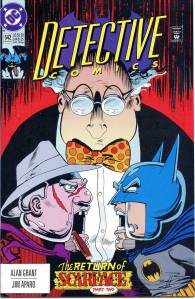
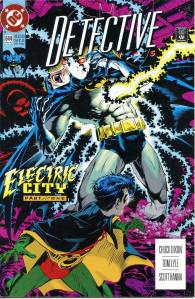
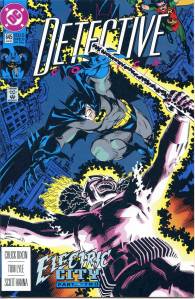
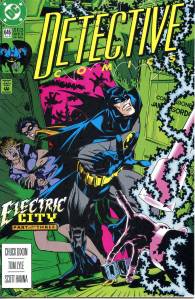
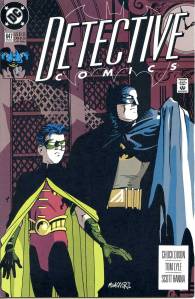
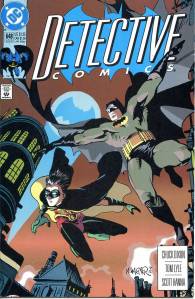
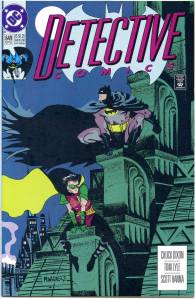
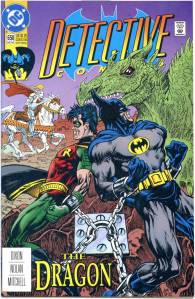
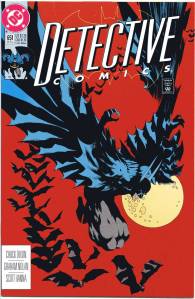
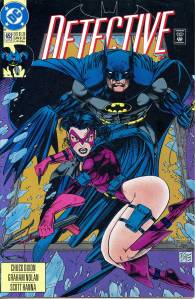
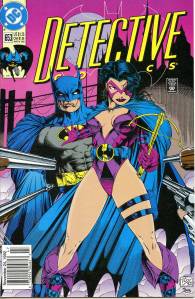
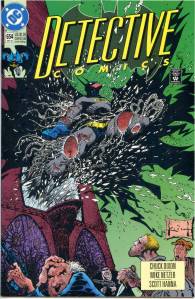
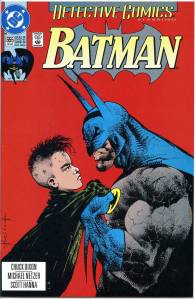
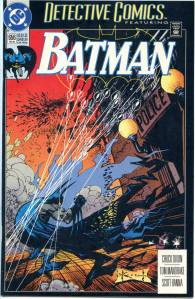
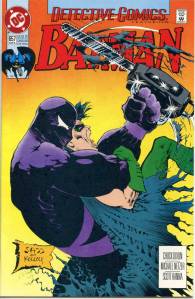
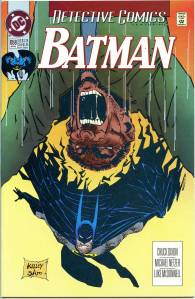
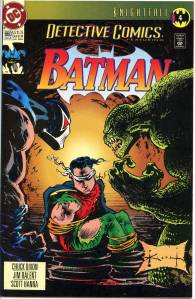
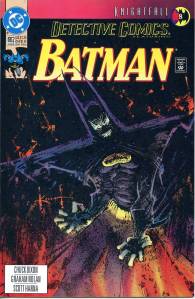
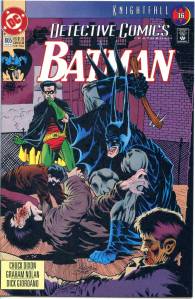
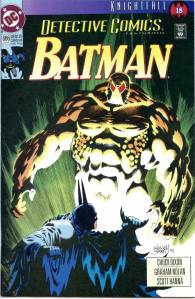
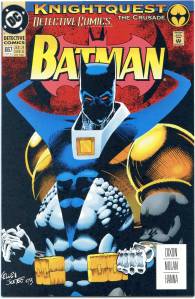
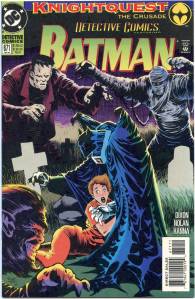
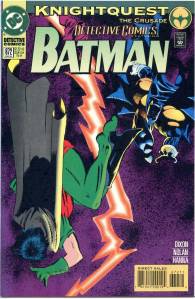
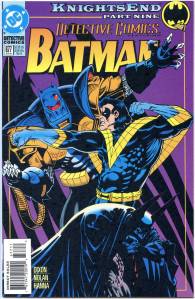
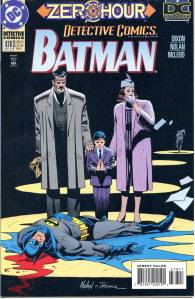
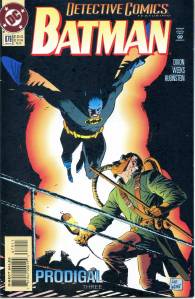
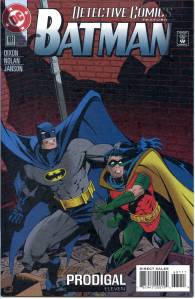
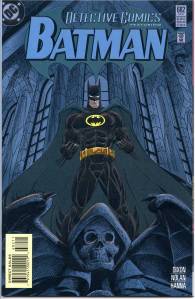
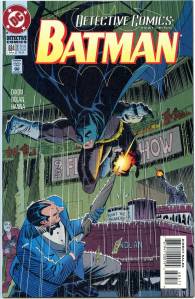
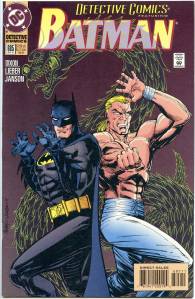
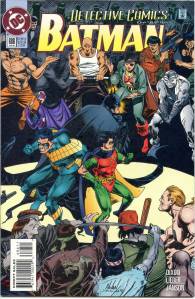
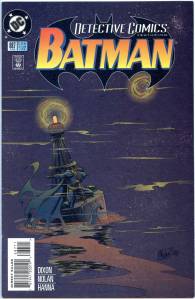
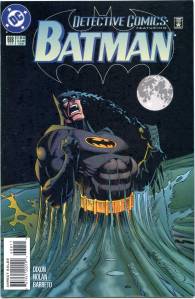
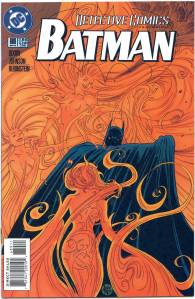
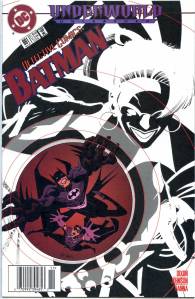
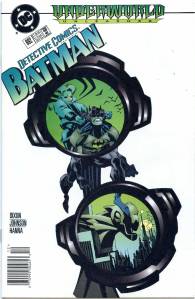
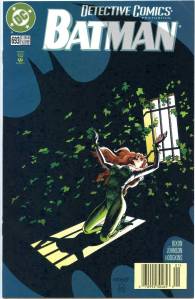
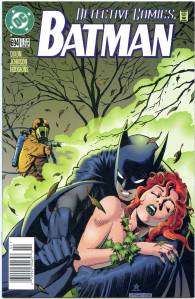
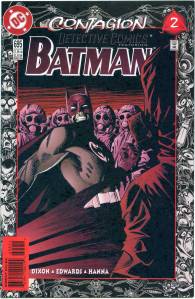
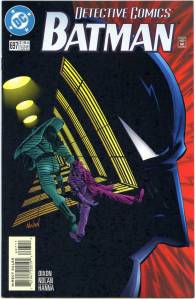
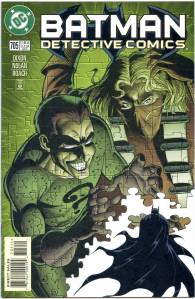
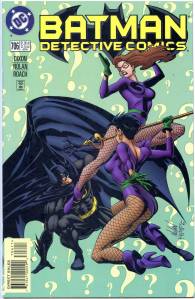
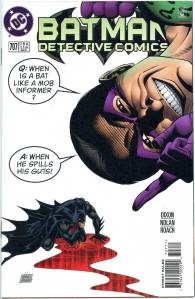
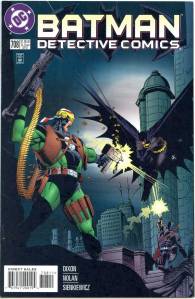
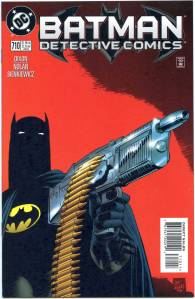
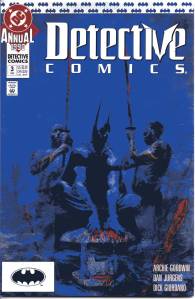
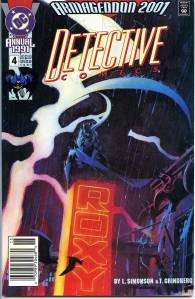
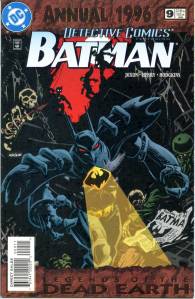
Chuck Dixon became the writer of the series with issue #644 (May 1992). He and Tom Lyle co-created the Electrocutioner in Detective Comics #644 (May 1992) and Stephanie Brown in Detective Comics #647 (August 1992).
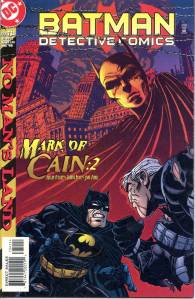
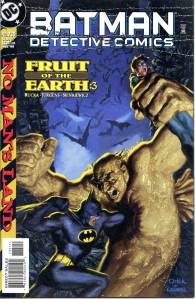
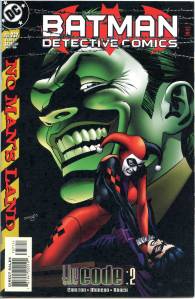
The “Batman: Legacy” storyline began in issue #700 (August 1996). The “No Man’s Land” storyline crossed over into Detective Comics in issues #730–741.

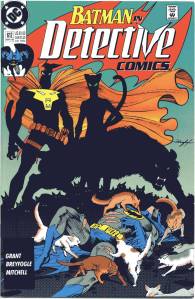
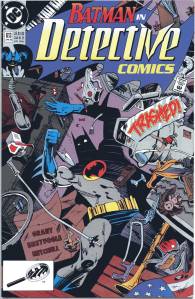
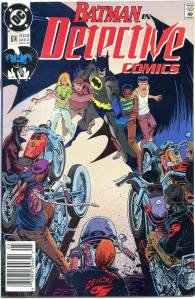
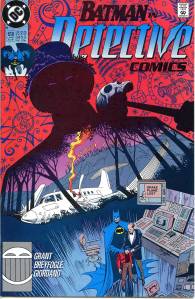
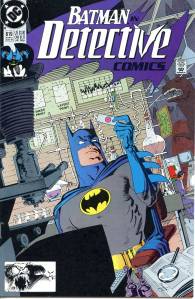
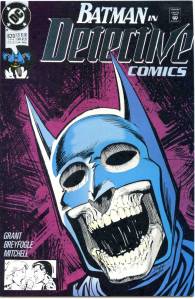
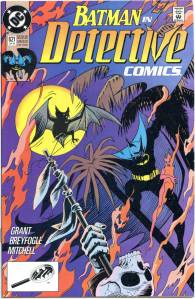
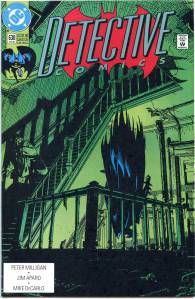
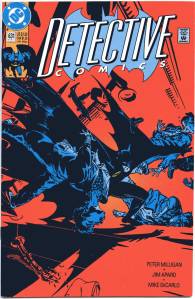

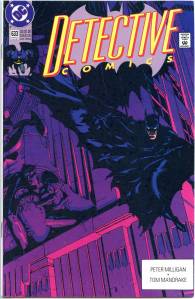
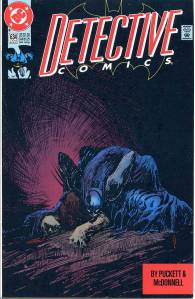





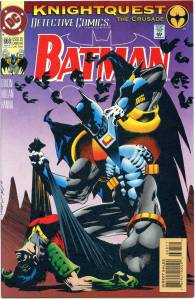
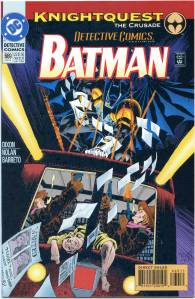
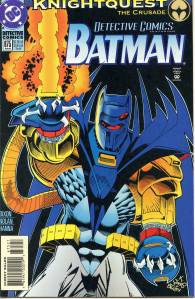
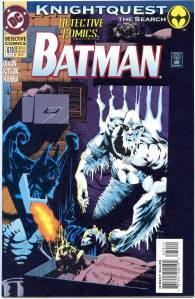






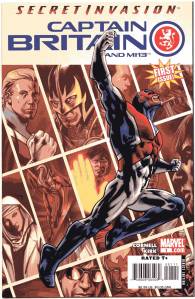
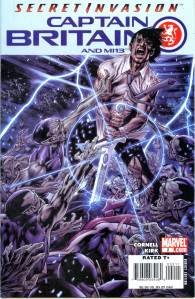
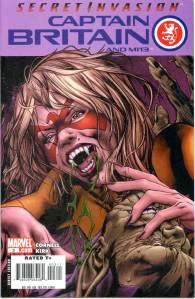
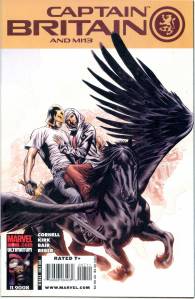
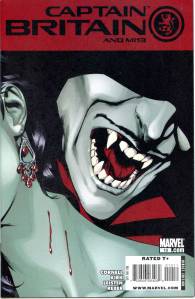
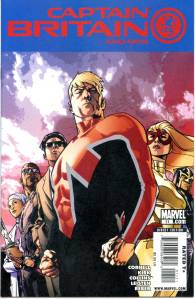
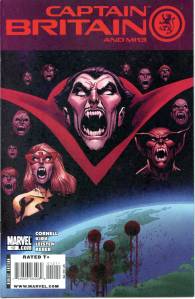
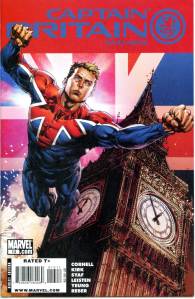
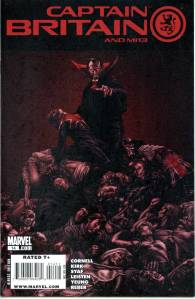
The series centers on the fictional British government agency MI: 13, which is dedicated to protecting the United Kingdom from supernatural threats. The main strikeforce is led by the superhero Captain Britain (Brian Braddock), and consists of various Marvel Comics characters that are of British descent or have a connection to the country. The series launched as a tie-in to the Secret Invasion event in May 2008 and ceased publication with issue #15.


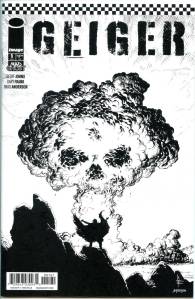
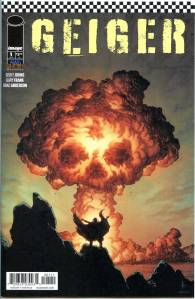
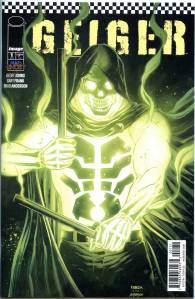
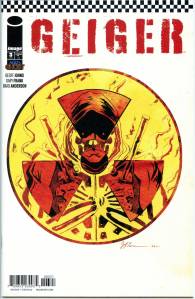
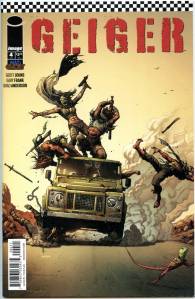
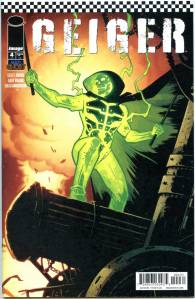
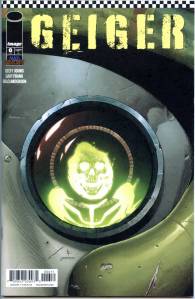
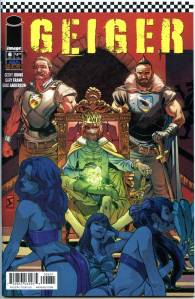
The critically acclaimed team of writer GEOFF JOHNS and artist GARY FRANK unites with superstar colorist BRAD ANDERSON to bring their first creator-owned hero to Image Comics!Set in the years after a nuclear war ravaged the planet, desperate outlaws battle for survival in a world of radioactive chaos. Out past the poisoned wasteland lives a man even the Nightcrawlers and Organ People fear. Some name him Joe Glow, others call him the Meltdown Man. But his name…is Geiger.
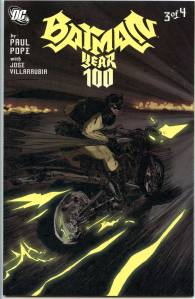
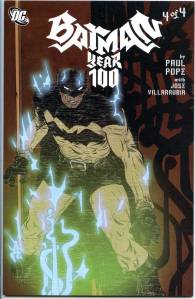
In the year 2039, Gotham City is very nearly a police state, its citizens subject to unwarranted search and seizure. The Gotham Police clash almost daily with Federal agents, who are pursuing the legendary “Batman.” Captain Gordon, the grandson of the original Commissioner Gordon, is also trying to find Batman, and find out what he knows about the murder of a Federal agent.

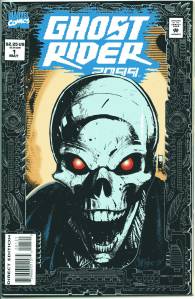
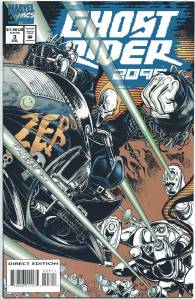
The series is set in the year 2099, in a dystopian possible future of the Marvel Universe, and features Kenshiro “Zero” Cochrane, a hacker who was killed but resurrected as the Ghost Rider — his mind controlling a powerful and well-armed robot. As with most of the Marvel 2099 titles, the protagonist was a futuristic version of a commercially successful Marvel Universe character. The series was heavily influenced by cyberpunk science fiction.
A Dame to Kill For is a comic book limited series written and drawn by Frank Miller and first published by Dark Horse Comics in 1993. It is the second story in Miller’s Sin City series, and the first to be published in miniseries format. It has since been reprinted in graphic novel format in four separate editions.
In his review for the Journal of Adolescent & Adult Literacy, James Blasingame said that even though A Dame To Kill For is a quick read, it has a complex story. He says, “All of the elements of a good novel are present, plot; beginning, middle, ending; dramatic crescendo; fully developed characters; complex constructions of narrative perspective; and, despite Miller’s graphic style, not so black-and-white socially troubling questions about the nature of good and evil, justice, and redemption.”


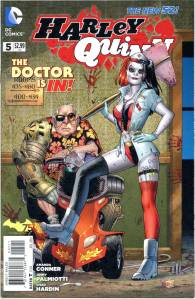
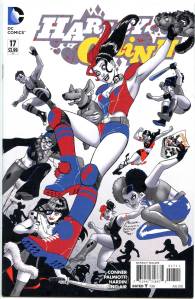
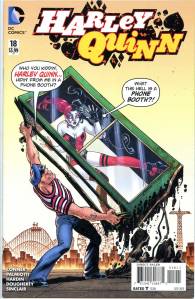
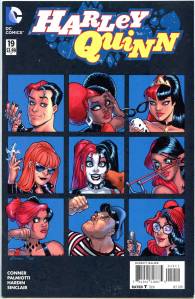
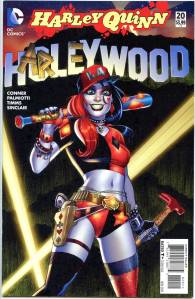
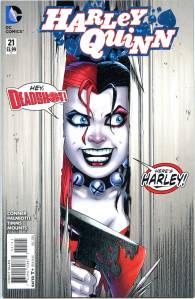
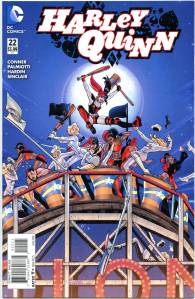
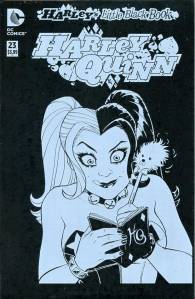
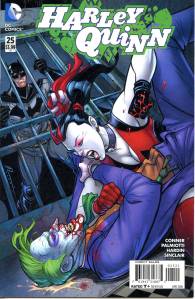
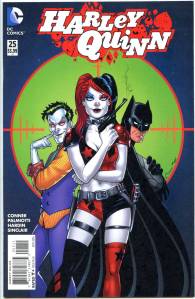
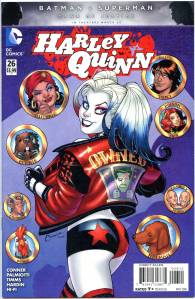
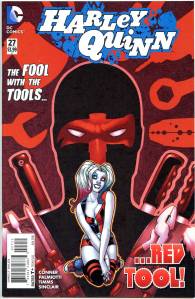
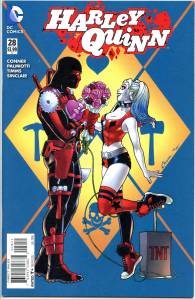
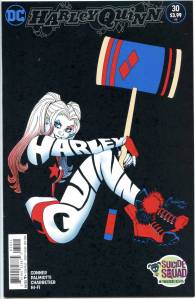
On July 16, 2013, DC announced that a new Harley Quinn ongoing comic book series would begin publication in November 2013, co-written by Amanda Conner and her husband Jimmy Palmiotti, cover illustrated by Conner, and story illustrated by Chad Hardin. The series has notably become distanced from the “Batman Family” of DC publications in both tone and premise, with Harley no longer having any significant connection to either Batman or the Joker following the “Death of the Family” storyline. In the series, Harley Quinn has become a landlady at Coney Island, is a part-time member of a roller derby team and has returned to her work in psychology under her real alias, indicating that Harley’s real identity is not public knowledge in the new status quo.
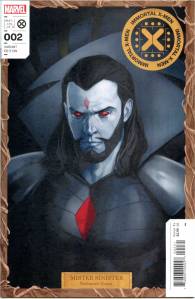
Writer-editor Jonathan Hickman and artist/co-plotter Pepe Larraz created the Quiet Council of Krakoa in House of X #6 (October 2019). The Council appeared in many comics in the Dawn of X and Reign of X relaunches, creating and enforcing the laws of Krakoa; prosecuting and delivering judgement on mutants accused of breaking those laws.
In March 2022, the council headlined Immortal X-Men as part of the Destiny of X relaunch. The series also served continuation of Inferno, vol. 2. It was written by Kieron Gillen and drawn by Lucas Werneck, building plot points for the event Sins of Sinister. After being briefly transformed into the Immoral X-Men limited series, Immortal X-Men continued from issue #11.